
So you’ve invested the time, energy, and money into learning Dutch, and you are feeling more and more confident every day. But as your concern about learning Dutch fades, another concern appears: “What if I lose my Dutch language progress?”. I can empathize with this concern to maintain your Dutch language skills, because losing language skills happened to me…
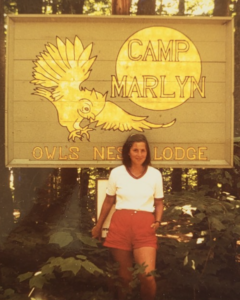
Improving my English as a camp counsellor in the USA (1985)
In high school, I studied French, and then at teacher training college, I studied English and German. I went abroad every summer in my teens and early 20’s to immerse myself in one of these three languages to improve my skills and confidence. I was so proud to say that I could speak three foreign languages fluently! Fast forward many years, and I’ve lost my fluency in German and French because I stopped making an effort to maintain those language skills.
What is important to understand is that without regular practice, even the most fluent speakers can find their abilities slipping away! If you have done Dutch courses in the past, you have probably noticed that you quickly forget what you have learned if you don’t put the language into practice in daily life. That’s why, whether you’re an expat living in the Netherlands or just passionate about mastering this beautiful language, working to maintain your Dutch skills is essential.
Here are some practical tips to help you keep your Dutch sharp and fluent.
Tip 1: Commit to regular practice
The cornerstone of language maintenance is regular practice. Without consistent use, your language skills can deteriorate quickly. Set aside dedicated time each day for language practice. This could involve engaging in conversations with native speakers, watching Dutch TV shows, news, or movies, or reading Dutch articles or books. The key is to really make Dutch part of your daily life.
Tip 2: Start thinking in Dutch
One of the most effective ways to internalize a language is to think in it. Try narrating your daily activities in Dutch, out loud or just in your head! Describe what you’re doing, thinking, or feeling in Dutch as much as possible, whether that be describing each step of a recipe in Dutch while you cook, or narrating what you see along your route to the office. This not only helps reinforce vocabulary and grammar but also encourages fluency and natural expression.
Tip 3: Avoid translating directly
When listening to others speak Dutch, resist the temptation to translate every word in your head. Instead, strive to understand the meaning directly in Dutch. Train your brain to think in the language rather than relying on translation, which can hinder fluency and comprehension.
Tip 4: Keep expanding your vocabulary
Actively work on expanding your Dutch vocabulary by learning new words and phrases regularly. Keep a notebook or use language learning apps to record unfamiliar words and review them regularly. Look to incorporate new vocabulary you’ve learned into your conversations and written communication right away to solidify your understanding and retention.
Tip 5: Immerse yourself in Dutch
Surround yourself with Dutch as much as possible. Create an immersive environment by changing the language settings on your devices to Dutch, listening to Dutch radio stations or podcasts during your commute, and participating in Dutch-language events or meetups. The more exposure you have to the language, the higher your comprehension will be, and the more naturally comfortable and proficient you’ll become in the language.
Next steps…
Ready to transition from learning Dutch to speaking Dutch, or want to complement your A2 or B1 learning with applied and practical Dutch? My Keep Talking Dutch course is the perfect way to maintain your Dutch. Supported by a professional, experienced teacher, a small group of students converses in Dutch on a new, practical topic each week for 4 weeks. They learn and incorporate new vocabulary and sentence frames into their conversation, and gain confidence to speak Dutch no matter the topic!
 You can learn more about my Dutch course options here, or contact me for more information. I would also encourage you to sign up to receive my newsletter in which I share updates and exclusive Dutch learning content for expats! If you want to get to know me and my teaching style first, you are welcome to check out student testimonials or book a free intake interview with me!
0 Comments